A kinder way to build healthy habits
Talking about healthy habits shouldn’t create pressure or demand perfection.
Taking care of yourself isn’t a race, and it’s not a checklist of rules to follow. It’s a living process — one that changes with each stage of life, each rhythm, and each body. The habits that truly last are built from listening, flexibility, and respect.
Start by building foundations, not by changing everything
One of the most common traps is trying to transform your eating and lifestyle all at once. Sudden changes rarely hold. When you begin instead by observing how you eat, how you feel, and what you actually need, something softer opens up — a space where change can happen more naturally and stay over time.
Mindful eating: coming back to yourself
Mindful eating isn’t about eating “perfectly.” It’s about reconnecting with your internal cues — hunger, fullness, pleasure, satisfaction. Eating more slowly, with fewer distractions, and respecting your body’s timing supports digestion and energy, but also becomes a quiet form of self-care.
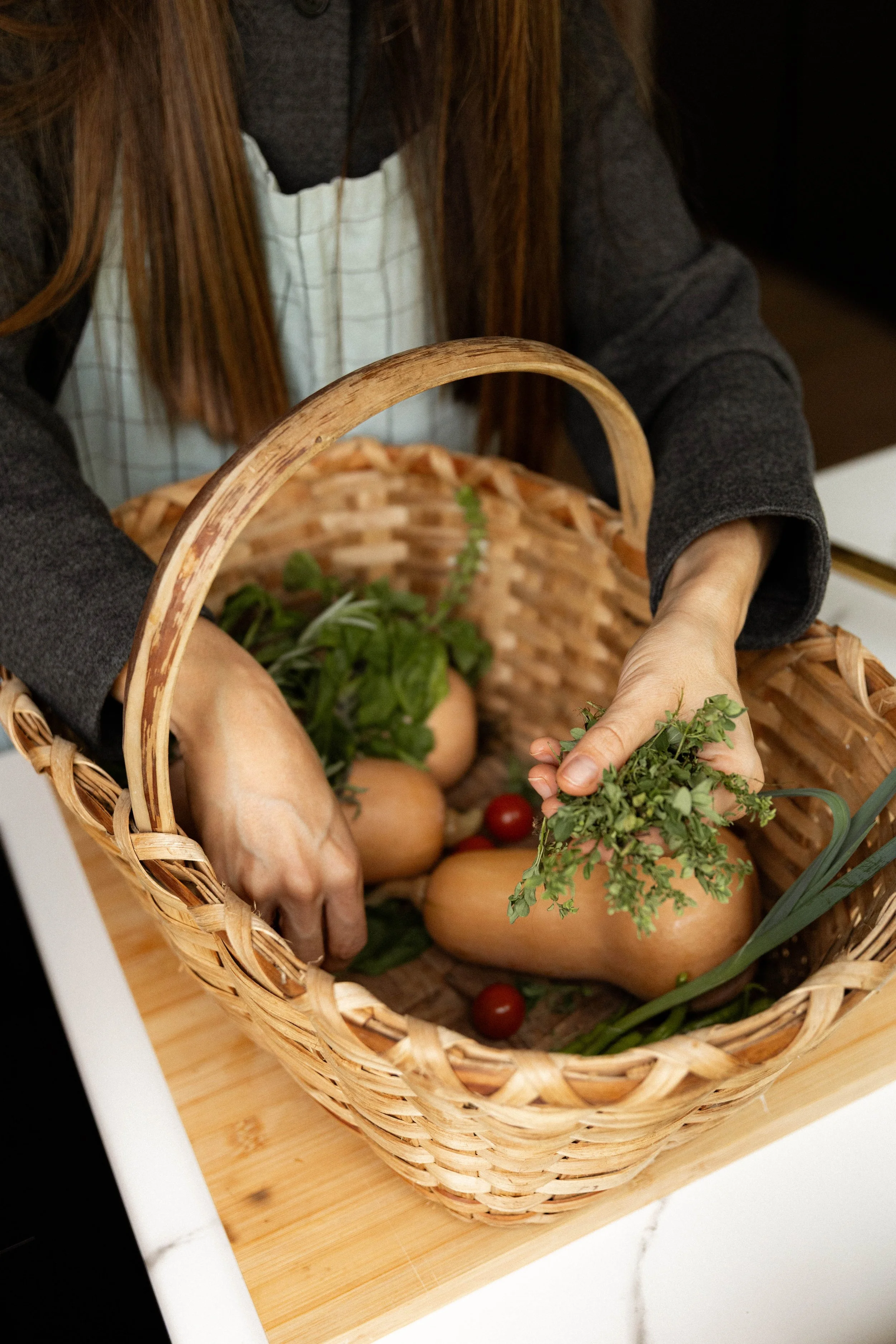
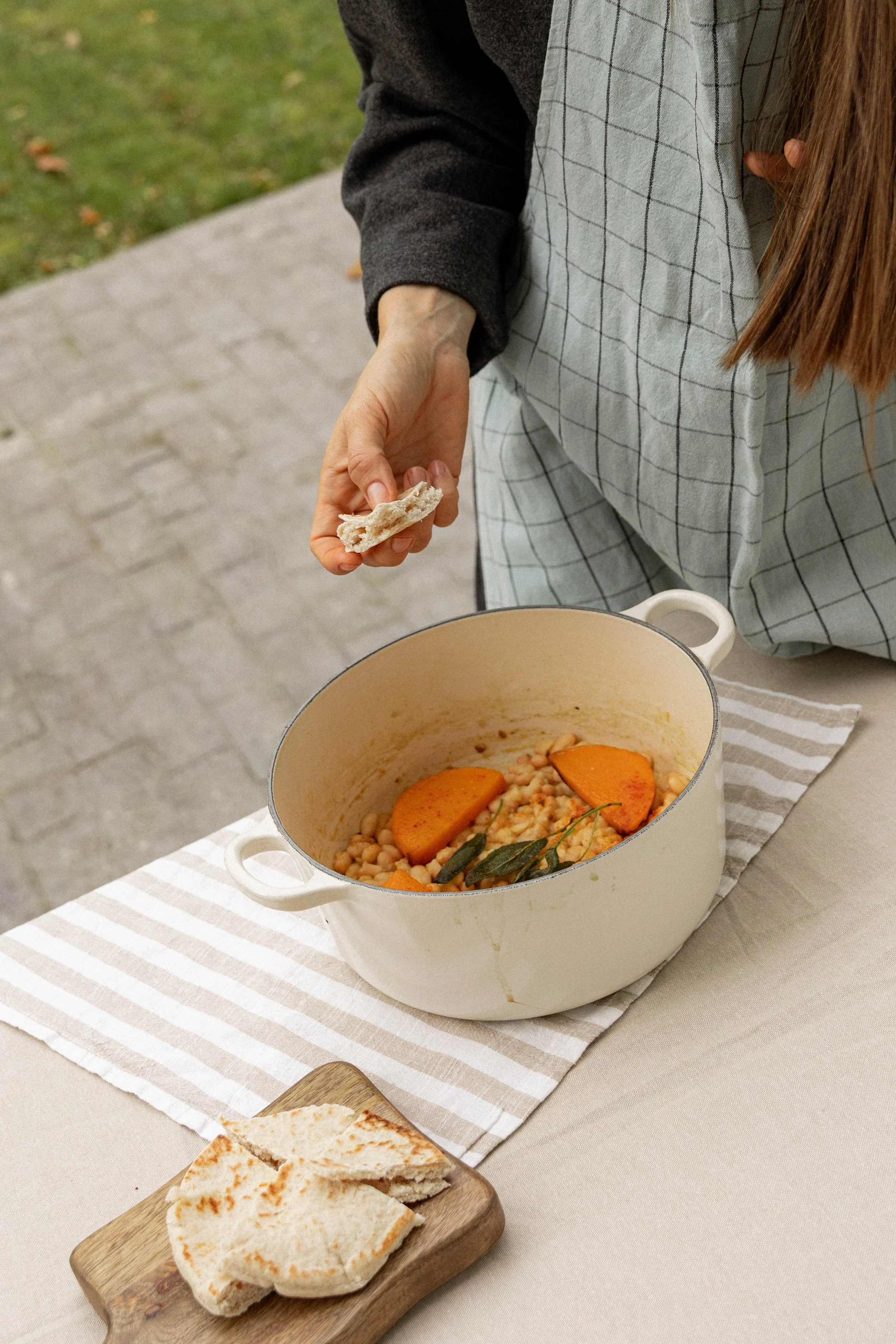
Habits that fit your real life
A habit is only sustainable if it fits into your real, everyday life — not the ideal version, not the “I should.” The key is flexibility: routines that can adapt to busy days, changing plans, or moments of lower energy. Eating well doesn’t mean cooking elaborate meals or following rigid structures. Sometimes it’s choosing simple, nourishing, comforting foods that support you.
Care is emotional, too
Our relationship with food is deeply connected to how we speak to ourselves and how we treat ourselves. Self-care also means letting go of guilt, constant self-criticism, and harsh expectations. Building healthy habits includes learning to meet yourself with more kindness, allowing moments of imbalance, and understanding that they’re part of the process — not a failure.
You don’t have to do it alone
Often, what makes the difference isn’t more information, but support. Having a space to check in, adjust, and feel held allows the process to evolve with you. Caring for yourself is a path. And walking it with support can make it feel lighter, clearer, and much more humane.